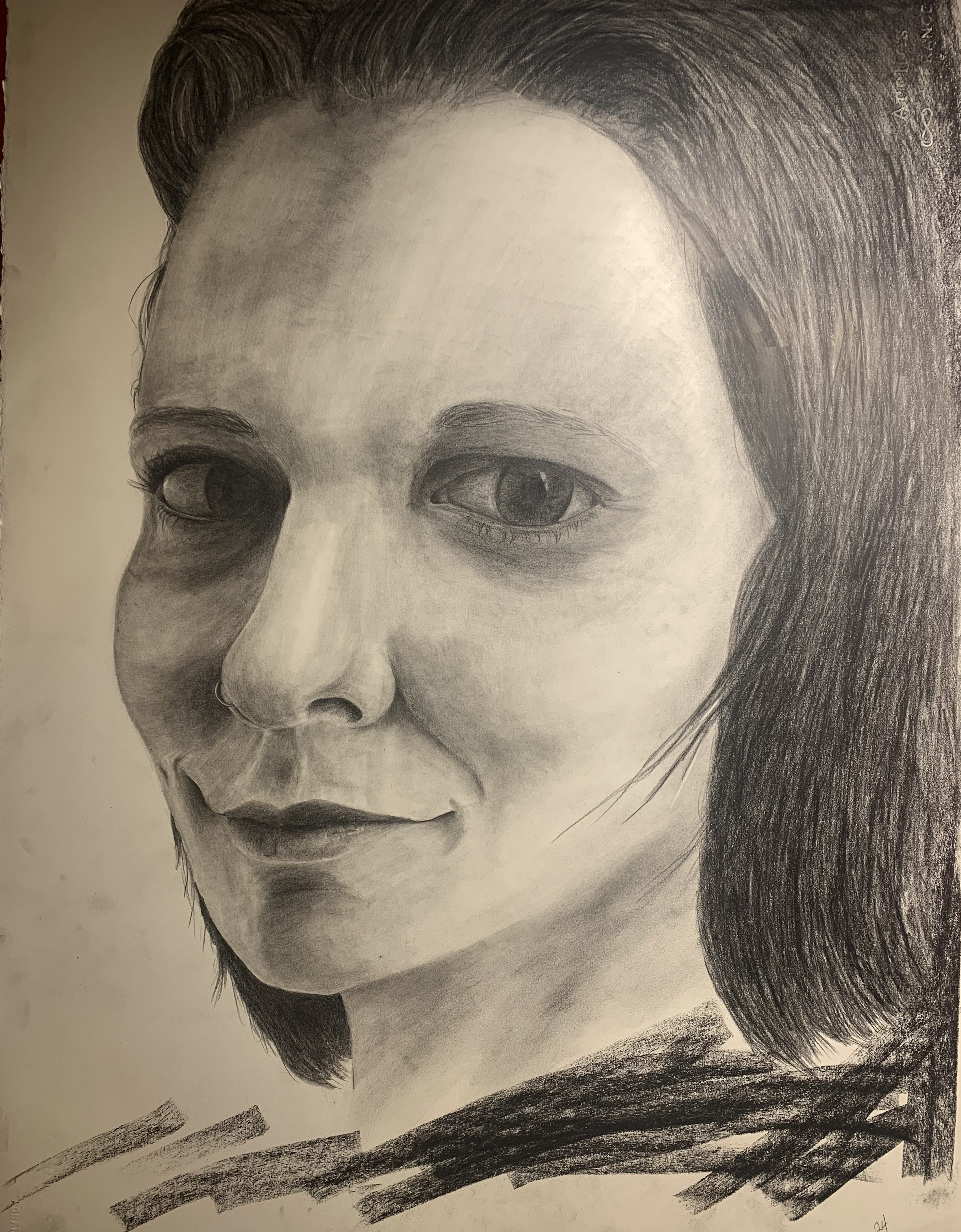
A couple of years ago, I took my very first art class. It was a portrait drawing class at the Alberta University of the Arts in their continuing education program. The instructor was a lovely Calgary Artist, Aaron Siderenko. It was a wonderful challenge that made a huge impact on my artwork. It also had one major lesson: there is a big difference between drawing A face and drawing THAT face. That difference is accuracy vs precision.

In analytical chemistry, teaching accuracy and precision is a critical learning objective. When developing an analytical method you have to calculate both accuracy and precision. To illustrate for students the difference, the most common teaching analogy is the dart board: arrows near the bullseye are accurate; arrows clustered tightly together are precise; ideally you have all the arrows clustered together for accuracy and precision. Here’s where the dart board analogy falls down though, while it illustrates the difference, it doesn’t really help in the practical application of method development. After all, a precise dart thrower can easily become an accurate dart thrower with minor adjustments. Focusing on precision isn’t going to impede accuracy. This is not the same for method development and it is definitely not true for drawing portraits.
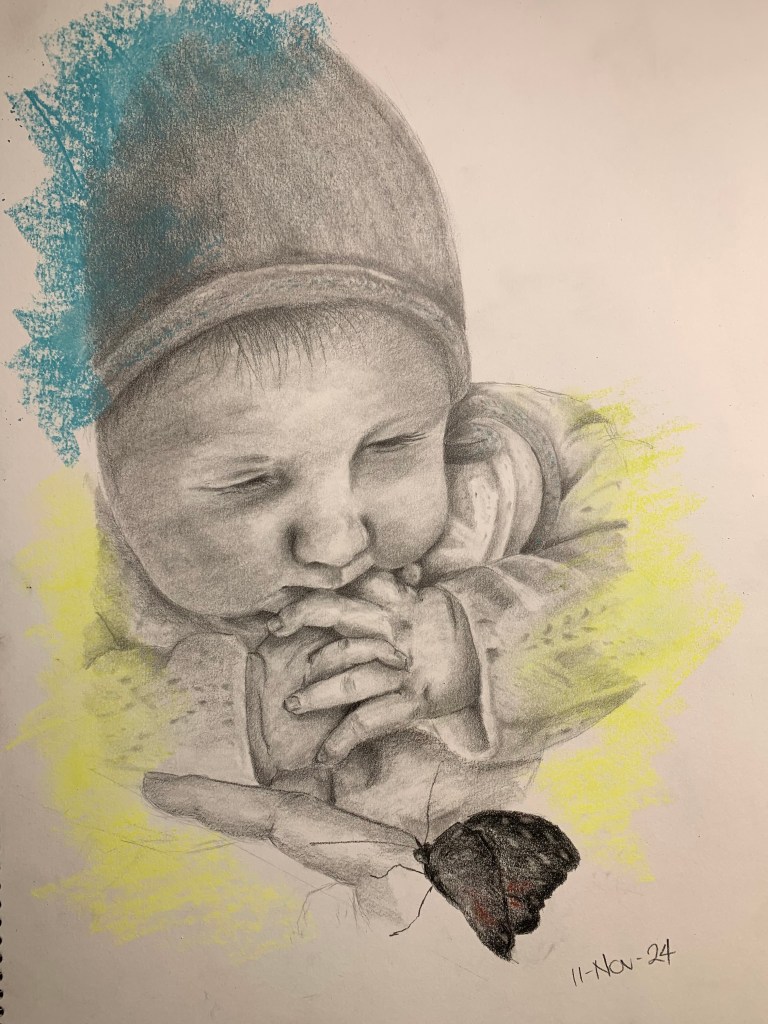
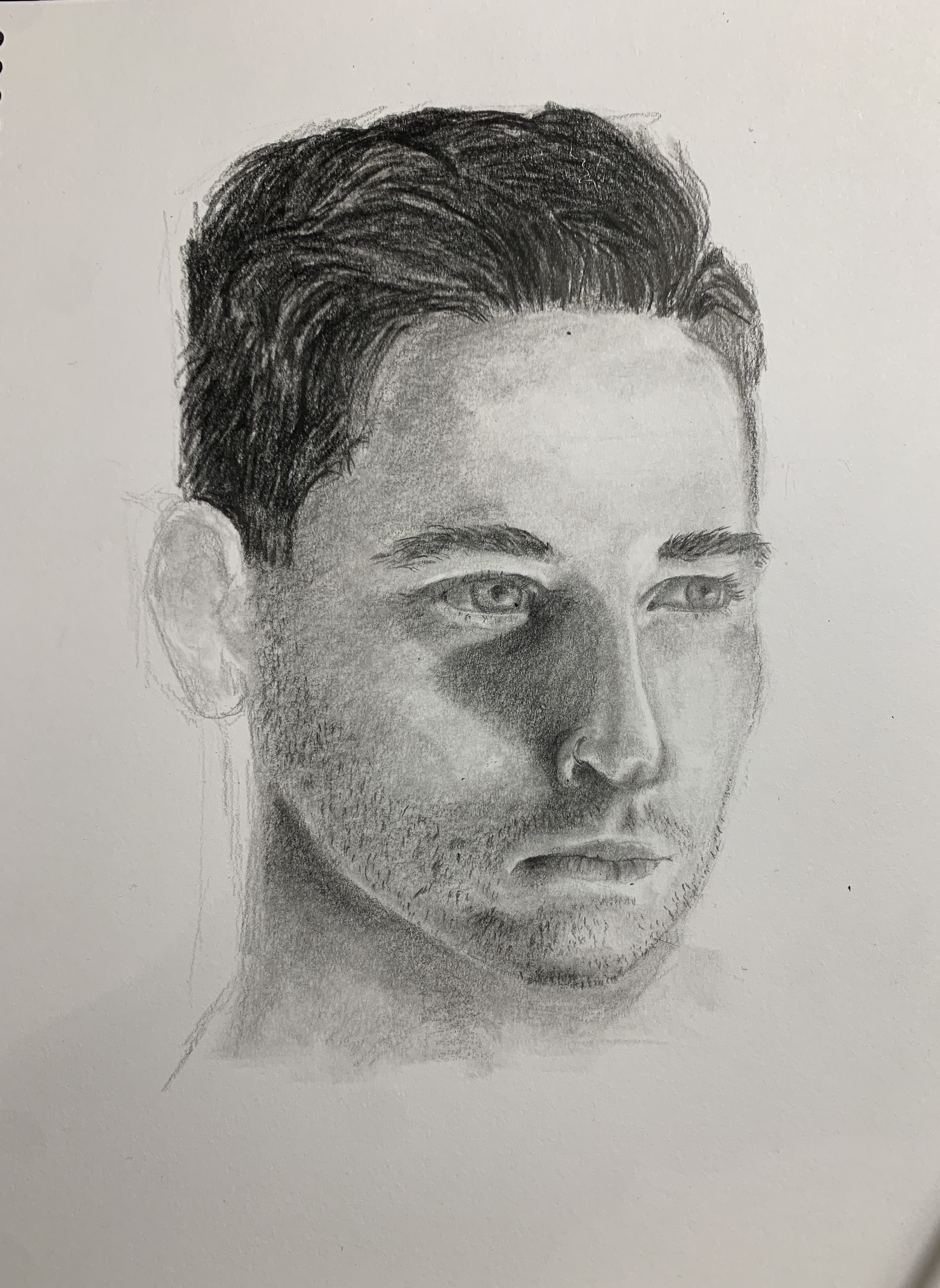
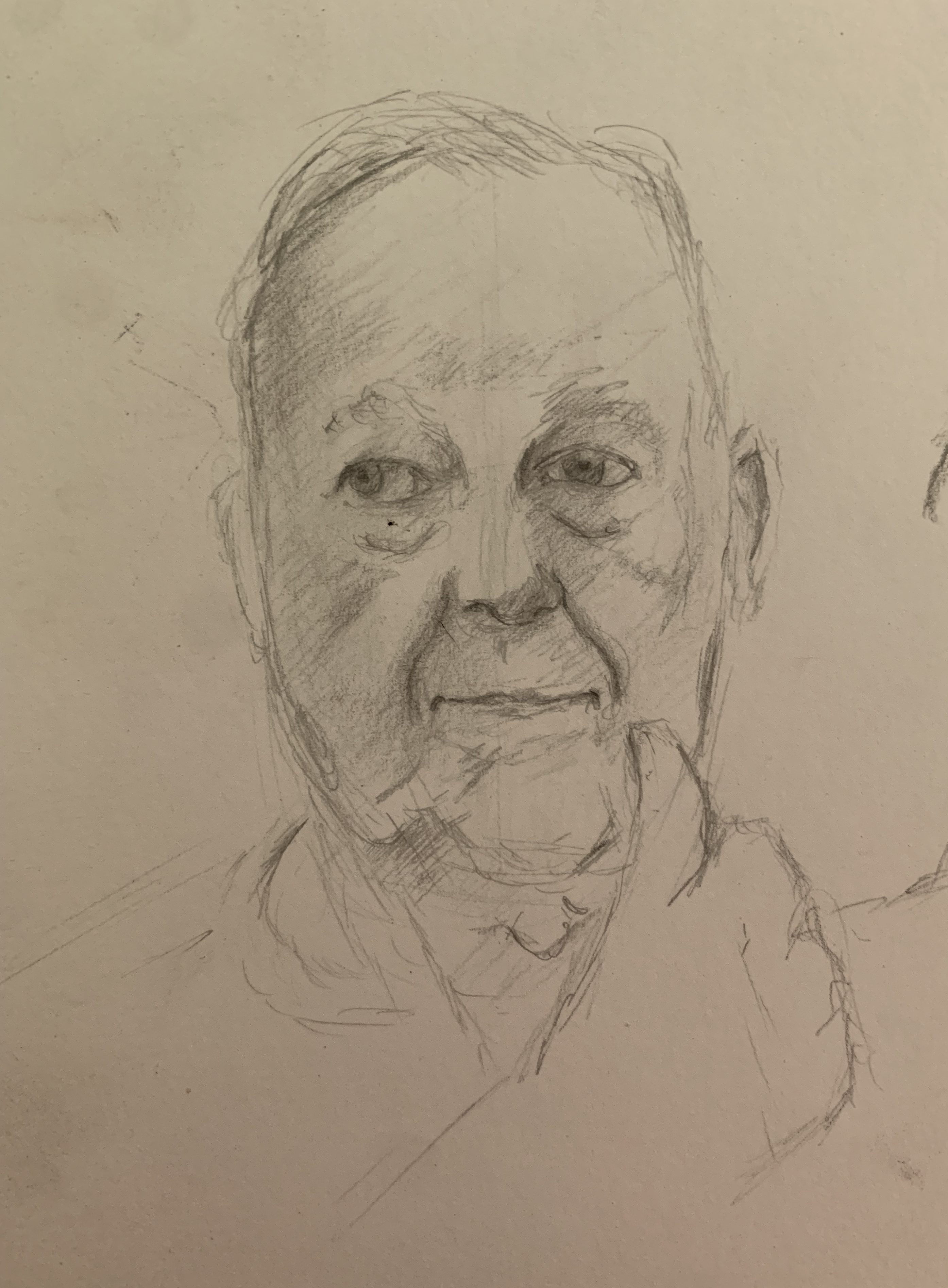
My drawings are precise. My paintings are precise. I have to work at loosening up – it’s part of what drew me to watercolour. But at the end of the day, there is a whole lot of precision in my work. Fine lines, fine details. But they aren’t always accurate. This works when doing organic structures like plants, because my style is more illustrative and nature is filled with irregular shapes. But it matters with portraits: no matter how precise your drawing is, if it isn’t accurate, then it isn’t a portrait of your subject. It’s A face, not THAT face. And humans are very very good at identifying faces. Early on in learning to draw portraits, I focused on precision way too quickly, only to take a step back and realise that my lines were off. (Oh, by the way, drawing will also demonstrate in real time how your brain lies to you – that’s a future blog though.) Trying to fix it would mean erasing hours worth of work – which, fine, that’s why we draw in pencil, but really, what was the value in getting all of that precision in first?
In analytical method development, spending all your time on getting low level precision means nothing if the method isn’t accurate. Focus on getting your method accurate before you work on precision. Think about it like looking at (or drawing) portraits. You can easily recognise a person from a less precise, more accurate drawing. You can look at a very precise drawing but if it isn’t accurate, you will struggle to identify the person. Think about courtroom art: these artists are able to capture the moments with decent accuracy, but must give up a lot of precision in order to make that happen. (Check out Jane Rosenberg’s work for example.) Granted, as an artists skill improves, they will capture more and more precision. Same with your analytical method – once you have accuracy, you refine to get higher precision.
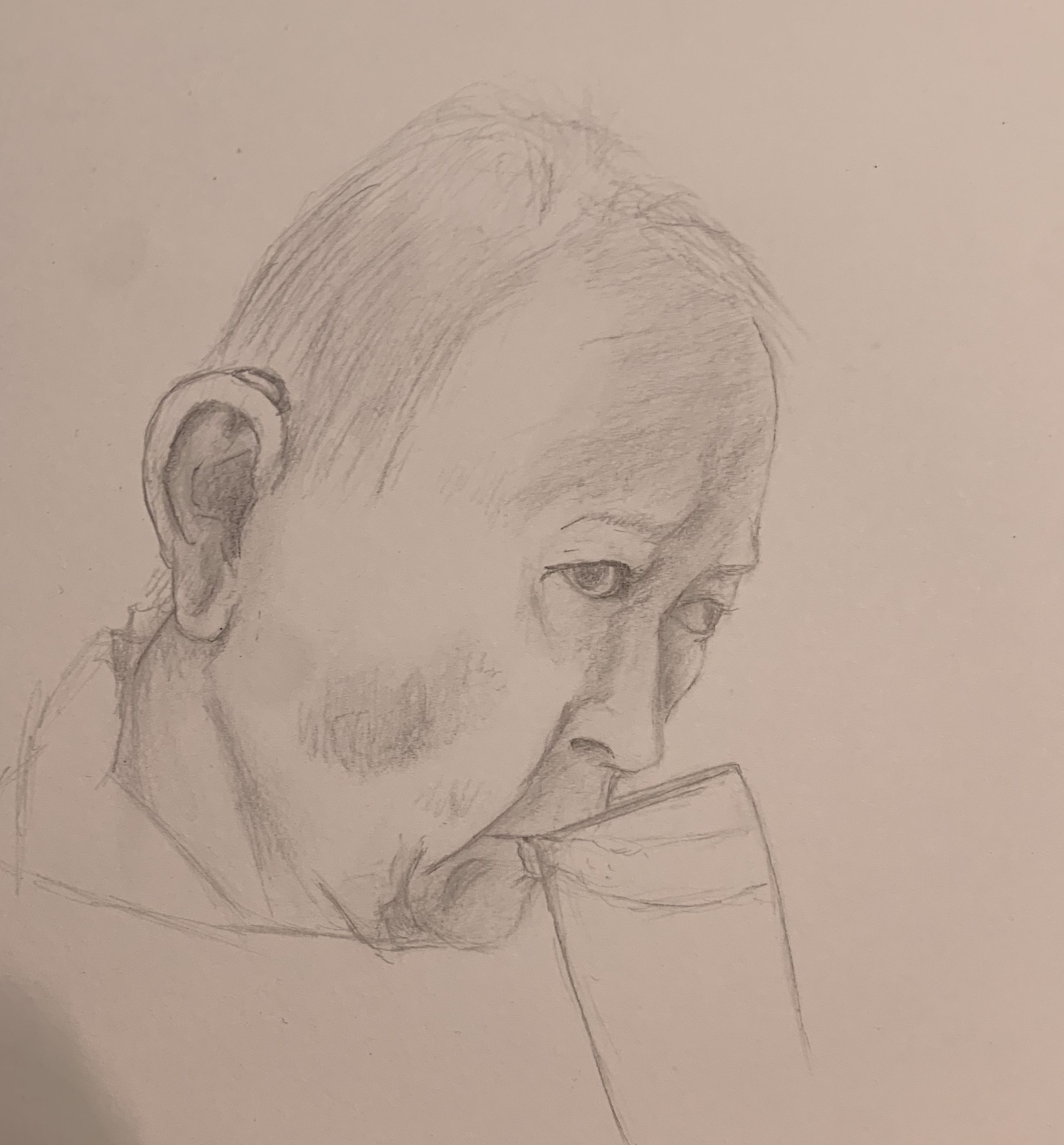
I am still practising portraiture (emphasis on practising), but it isn’t the precision I need to practice. It’s accuracy. Accuracy is why I find them intimidating at times. I know I can get A face. I know I can get in lots of detail. Precision? Not a problem – you should see the points my pencil tips have. But accuracy? That’s what makes or breaks a portrait. I most often use the grid method when I am looking to do a completed portrait, but in my sketchbook, I am just working on training my eye without the aid of the grid. I also start my drawings/sketches in 2H pencil. These light lines are easy to erase/draw over, making it much easier to refine my accuracy before committing to the precision and detail. I start with the broad shapes, get them accurately placed.
Whether it is determining the concentration of nickel in 12% sodium hypochlorite or drawing a portrait of a loved one, start with accuracy. After that, precision will follow.


Leave a comment